Production basics
Why Your Swim Shorts Fade by August (And What the Dye Spec Is Telling You Before You Buy)
Why do swim shorts fade after one summer? Chlorine, elastane quality, and dye specs you ignored. Here's what the numbers actually tell you.
If you've ever had a customer come back after one summer complaining that their swim shorts look washed out and dull, you already know the answer isn't simply 'sunlight.' The real question, why do swim shorts fade after one summer when some styles hold colour through three, comes down to decisions made months earlier in the fabric specification, the dyeing process, and the finishing treatments. Most of those decisions are made before a single yard gets cut. And most of the time, brands don't know which decisions were made until it's too late.
What actually causes swim short colour loss (it's not just sunlight)
Sunlight gets the blame because it's the obvious culprit. UV radiation does break down dye molecules over time, that's real. But sunlight alone isn't why a pair of swim shorts looks faded by August after a season of regular use. What accelerates fading to that speed is a combination of factors hitting simultaneously: chlorine from pools, salt from ocean water, sunscreen and body chemistry left on the fabric between wears, mechanical stress from repeated stretching, and heat from both drying and UV exposure.
Each of these works differently on different fibre and dye combinations. Chlorine is an oxidising agent that directly attacks the chemical bonds holding dye to fibre. Saltwater draws moisture through the fabric structure and carries dye molecules with it. Sunscreen, particularly avobenzone-based formulas, reacts with certain disperse dyes used on polyester and causes localised discolouration that looks like fading but is actually a chemical reaction on the fabric surface. None of these are problems you can solve at the garment level if the fabric and dye spec were wrong from the start.
And then there's the physical dimension. When a fabric loses elasticity, colours look more faded than they actually are because the structure that gave the colour visual depth has distorted. Pilling, surface breakdown, and fibre splitting all scatter light differently than a fresh, intact surface. So even if the dye is still there, the garment looks worn out. This is why elastane quality and percentage matter almost as much as the dye itself.
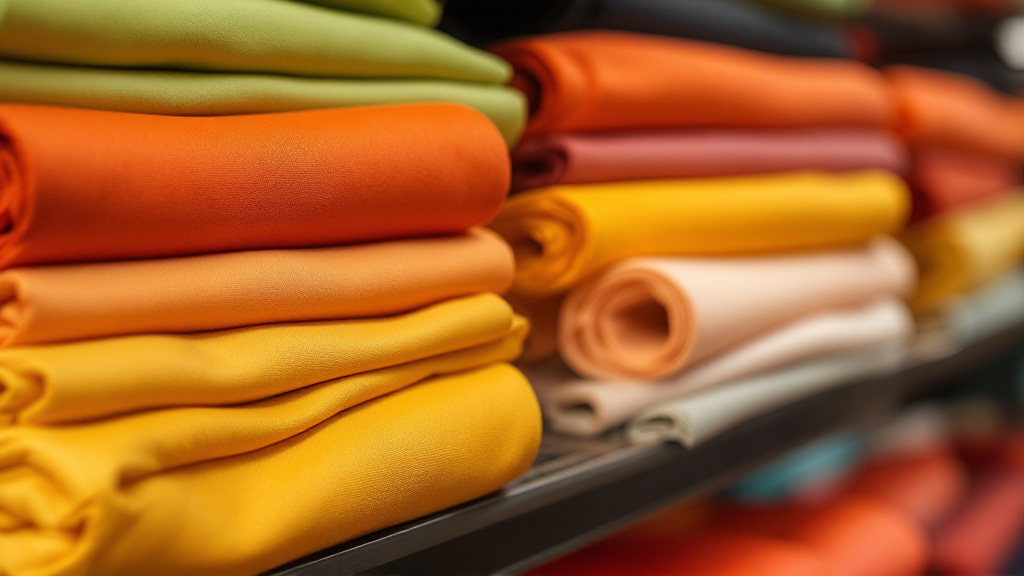
How chlorine and saltwater attack dye bonds in swimwear fabrics
Chlorine is probably the single most aggressive chemical a swimwear fabric faces in normal use. Pool water is typically maintained at 1-3 parts per million of free chlorine, and that concentration is enough to degrade dye bonds in low-grade polyester-elastane blends noticeably within 10 to 15 sessions. That's one summer for a regular swimmer.
Here's the mechanism. Disperse dyes, which are the standard choice for dyeing polyester, sit close to the fibre surface rather than penetrating deep into the fibre structure. They're held in place by physical attraction more than chemical bonding. Chlorine oxidises those bonds, essentially breaking the dye's grip on the polyester molecule. The dye doesn't disappear uniformly, which is why chlorine-faded shorts often look blotchy or uneven rather than simply lighter.
Reactive dyes used on nylon behave differently. They form actual covalent bonds with the fibre, which means the dye is chemically part of the fibre rather than sitting on top of it. This produces better chlorine resistance and better colour depth. It's one of the core structural reasons why an 80% nylon / 20% elastane blend from a reputable mill typically carries a colour fastness to chlorinated water rating of 4 to 4.5 on a 1-5 scale, while a 90% polyester / 10% elastane blend from a low-cost mill often rates 2 to 2.5 on the same test.
Saltwater works differently. It's not as chemically aggressive as chlorine, but salt crystals left on fabric when it dries act abrasively on the fibre surface and draw moisture out of dye molecules during the drying process. Repeated cycles of wet and dry in saltwater conditions gradually degrade both the dye and the elastane. The ISO 105-E02 standard tests colour fastness to seawater specifically, and for premium swimwear sold into resort or beach club markets, a rating of 4 or above is the minimum you should accept. Anything rated 3 or below is going to cause returns.
Why elastane percentage and quality directly affect colour retention over time
This one surprises brands. They think of elastane as a stretch component, not a colour component. But the relationship between elastane quality and visible colour retention is direct.
Fabrics with less than 18% elastane content tend to lose recovery faster under combined UV and chlorine exposure. When the fabric loses its structural integrity, it distorts. The surface texture changes. Light reflects differently. And colours that were once saturated and even start to look washed out even if the dye load hasn't changed significantly. It's a perception problem created by a structural problem.
Beyond percentage, elastane grade matters. Budget swimwear fabrics often use lower-grade elastane that begins breaking down chemically within the first season. Premium elastane, the type used in fabrics certified for competitive or performance swimwear, is formulated to resist chlorine degradation specifically. You'll see this reflected in the price of the base fabric, and it's a real cost difference that's worth understanding before you spec a fabric based on price alone.
The dyeing process decisions that determine how long colour lasts at production scale
The dyeing method chosen at the mill level is probably the decision with the most downstream impact on colour longevity, and it's one that most brands never see or ask about.
For piece-dyed nylon-elastane fabrics, reactive dyes are applied under controlled temperature and pH conditions designed to maximise dye penetration and bond formation. A properly dyed nylon-elastane fabric is dyed through, meaning the colour exists at depth in the fibre and doesn't wash off the surface. This is why reactive-dyed nylon holds up in chlorine environments far better than disperse-dyed polyester.
Dye sublimation printing on polyester is a different case. The process locks colour into the fibre structure at temperatures of 380 to 400°F, which produces exceptional initial colour vibrancy and sharp print definition. It's genuinely a strong technique for print-heavy swim short designs. But the base fabric is still polyester, and polyester still uses disperse dyes even in sublimation printing. So while the sublimation process achieves better initial penetration than standard piece dyeing on polyester, the chlorine resistance limitations of polyester-based disperse dyes still apply. Sublimation-printed polyester will fade faster in heavy pool use than reactive-dyed nylon. That's not a knock on sublimation. It's just the trade-off you need to know before you choose it for a style that's going to be used in pools.
At production scale, dyehouse consistency is another variable that brands almost never audit. Batch-to-batch variation in dye concentration, temperature control, and fixation time directly affects how reproducible the colour fastness rating is across a full production run. A fabric that tests at 4.5 from one batch might come in at 3.5 from the next if the mill's quality controls aren't tight. This is why documented test data per batch matters, not just a one-time certification.
What colour fastness ratings actually mean and which numbers to require from your factory
Colour fastness ratings use a 1-5 scale. A 5 means no detectable change. A 1 means severe change. For swimwear, the relevant standards are ISO 105-E02 for seawater and ISO 105-E03 for chlorinated water.
Here's what the numbers mean in practical terms. A rating of 2 to 3 on ISO 105-E03 means you'll see visible fading after roughly 10 to 15 pool sessions. That's a single summer of regular use. A rating of 4 means you'll see minimal colour change after 40 or more sessions under the same conditions. A rating of 4.5 or above is what competitive swimwear brands and premium resort labels typically require in their fabric specifications.
- ISO 105-E02 (seawater): require a minimum of 4 for any swim short marketed into resort, beach club, or ocean swim categories
- ISO 105-E03 (chlorinated water): require a minimum of 4 for any style expected to handle regular pool use; 4.5 for performance or competitive positioning
- ISO 105-B02 (light fastness): require a minimum of 4 for standard swimwear; 5 for styles sold in high-UV markets
- Wash fastness (ISO 105-C06): require 4 minimum; this catches dye bleed problems that show up in the first few home washes
Any factory or mill that can't produce documented test results against these standards for the specific fabric you're buying is a risk. The data should exist before you order, not after a return window opens.
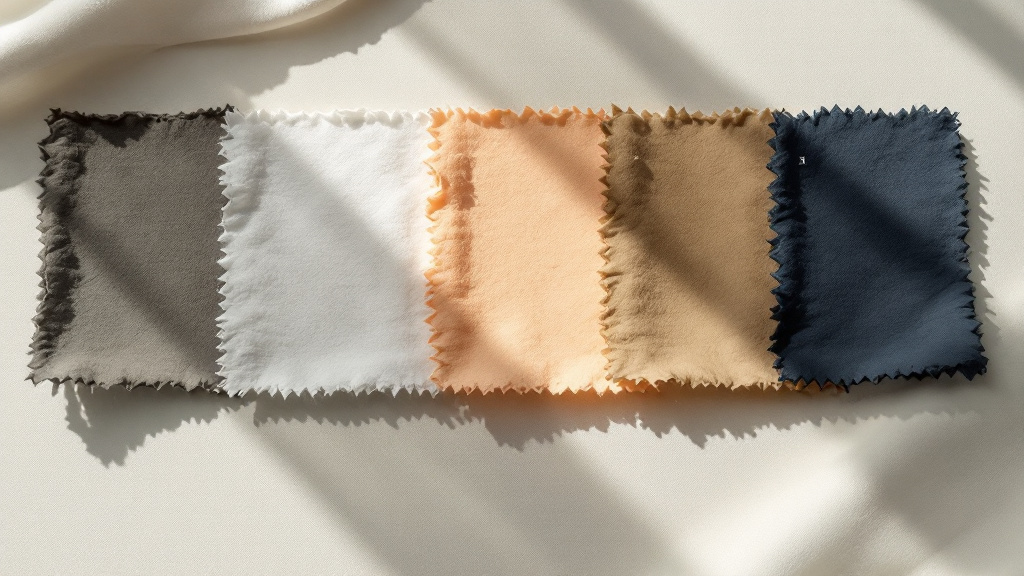
How finishing treatments like UV inhibitors and anti-chlorine coatings change the lifespan equation
Finishing treatments are applied to fabric after dyeing and before it's cut. They're not a substitute for good dye penetration or quality elastane, but they do meaningfully extend colour life when the base fabric is already well specified.
A UV-blocking hydrostatically applied finish adds a layer of protection against UV-driven dye degradation. At production scale, this treatment adds roughly $0.18 to $0.35 per yard to the fabric cost. On a swim short that uses 1.5 to 2 yards of fabric per unit, that's an additional $0.27 to $0.70 per finished garment. For a style that's going to spend its life outdoors, that's a straightforward call. The finish can extend visible colour life by an additional season under normal wear and wash conditions.
Anti-chlorine coatings work by providing a sacrificial barrier layer that reacts preferentially with chlorine before it can reach the dye molecules. They don't last indefinitely because the coating itself is consumed over time, but in a well-finishing process, the coating can remain effective for 30 to 50 wash or swim cycles, which covers the high-use window of a typical swim season.
One honest caveat here. Salt and sunscreen residue left on fabric between wears accelerates dye breakdown faster than either UV or chlorine alone. Sunscreen chemicals, particularly oil-based formulas, penetrate the fibre surface and interact directly with disperse dyes. This is a consumer behaviour factor. No finishing treatment fully compensates for a customer who never rinses their shorts after a beach day. But brands using well-specified fabric and proper finishing are significantly more tolerant of that behaviour than brands using budget materials. It's the difference between a minor cosmetic issue after two years versus visible fading after four months.
What fabric specs to put in your tech pack before a yard gets cut
If your tech pack for a swim short doesn't include explicit fabric performance specifications, you're leaving all the critical decisions to whoever is sourcing the fabric on your behalf. That might be fine if you've audited and trust that source. But most brands haven't.
Here's what a proper swim fabric specification should include as a minimum.
- Fibre composition with stated percentages, such as 80% nylon / 20% elastane, and the elastane brand or grade specification
- Fabric weight in oz/sq yd, typically 5.5 to 7.5 oz/sq yd for woven swim shorts, lighter for stretch knit styles
- Colour fastness to seawater: ISO 105-E02 minimum rating of 4
- Colour fastness to chlorinated water: ISO 105-E03 minimum rating of 4, stated per the specific colourway being produced
- Light fastness: ISO 105-B02 minimum rating of 4
- Wash fastness: ISO 105-C06 minimum rating of 4
- Finishing treatment specified by type, such as UV-blocking hydrostatic treatment or anti-chlorine coating, not just a generic 'performance finish' description
- Mill name and fabric reference code so test results can be matched to the correct batch
Colombian mills supplying swimwear fabric to regional manufacturers stock nylon-elastane fabrics with documented colour fastness ratings as a standard part of their product data. That means when you work with a factory like Procesarte, we can pull test data for the fabric you're specifying before a yard gets cut. You're not waiting for a complaint to find out where your spec landed.
Why the price difference between a fabric that lasts one summer and one that lasts three is smaller than brands think
This is the conversation that resets most brands' thinking. The price difference between a budget swim fabric and a well-specified nylon-elastane fabric with documented colour fastness is real, but it's not what most founders imagine when they're staring at a cost sheet.
A well-specified 80% nylon / 20% elastane swim fabric from a quality mill runs around $4.50 per yard at production volumes. A budget 90% polyester / 10% elastane equivalent might come in at $3.10 per yard. The difference is $1.40 per yard. On a swim short using roughly 1.5 yards of shell fabric, that's about $2.10 more per unit in fabric cost. Factor in cutting waste and a UV-blocking finish and you're looking at an all-in fabric cost difference of $1.40 to $1.80 per finished unit.
Now put that in context. A brand selling swim shorts at $80 to $120 retail is already working with a healthy margin. Adding $1.40 to $1.80 to the finished unit cost is less than a 2% change in the retail price. It's also less than the cost of processing a single return and reshipment, which typically runs $8 to $15 depending on your fulfilment setup. If better fabric prevents even one return for every twelve units shipped, it's already paid for itself.
But the real number isn't the return rate. It's repeat purchase. A customer whose swim shorts still look good after two summers is a customer who buys again and tells someone else. A customer whose shorts fade by August is gone. In a category where customer acquisition costs on paid social frequently run $15 to $30 per new customer, the lifetime value difference between those two outcomes is not a rounding error.
The swimwear category is one where fabric specification does the heavy lifting. Design, construction, and print execution matter, but they can't rescue a garment built on a fabric that was never going to hold its colour through a real season. Get the spec right before the first yard gets cut, and the rest of the problem mostly takes care of itself.
If you're sourcing swim shorts and want to see documented colour fastness data on the nylon-elastane fabrics we work with before you commit to a run, send us your spec or tech pack and we'll walk you through exactly what we can put in front of you.
Get a quote