Sourcing
Why Single-Source Fabric Buying Is One of the Riskiest Things a Small Apparel Brand Can Do
Single-source fabric buying is a financial risk most small apparel brands underestimate. Here's how to reduce fabric sourcing risk before a disruption costs you.
If you're running a small apparel brand and you have one overseas fabric supplier, you don't have a supply chain. You have a dependency. Knowing how to reduce fabric sourcing risk for apparel brands isn't an advanced topic reserved for brands doing millions in revenue. It's basic production planning, and in 2025 and 2026, the cost of ignoring it got very specific, very fast.
What single-source fabric dependency actually means at the production level
Single-source dependency sounds abstract until you're three weeks out from your production start date and your mill emails to say the fabric is delayed. Then it's not abstract. It's a missed season, a broken promise to your retail buyer, and a cash flow problem you didn't budget for.
At the production level, here's what it means practically: your cut date is hostage to one mill's capacity, one shipping lane's reliability, and one set of quality outcomes. If the fabric arrives with a colour variance, a width inconsistency, or a shrinkage rate your pattern wasn't graded for, you're not calling your backup. You don't have one. You're recutting, or you're late, or both.
Most small brands end up single-sourced not out of strategy but out of momentum. They found a mill that worked, they got a decent price, and they stuck with it. That's understandable. But a relationship that worked in 2022 or 2023 doesn't automatically hold in 2025 when tariff structures have shifted, freight costs have spiked, and the mill has taken on larger clients who get priority allocation.
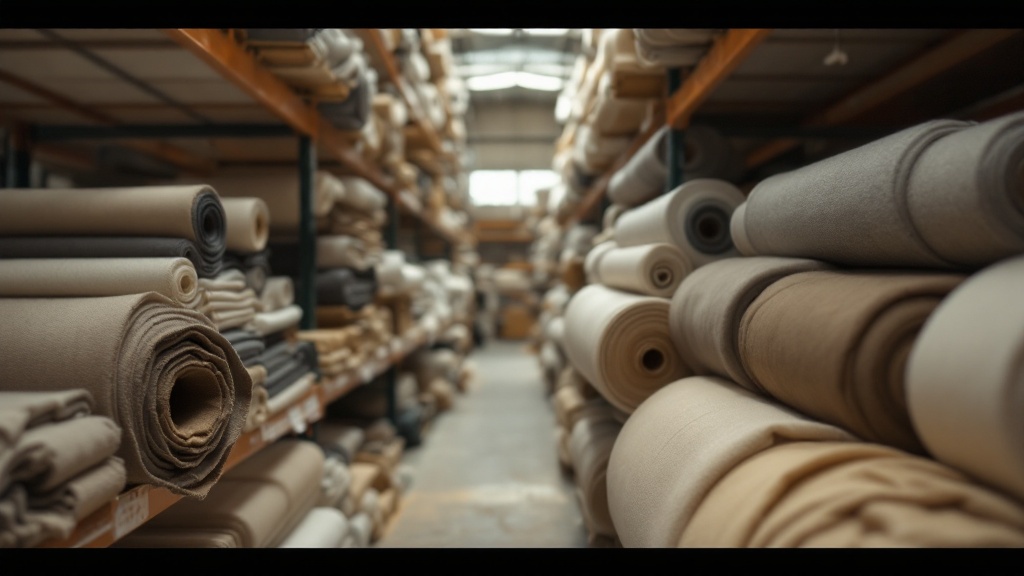
The specific ways a fabric disruption translates into cash flow damage for small brands
Let's put numbers on it. A small brand running 200 to 500 units per style typically needs somewhere between 300 and 800 yards of fabric per style, depending on cut complexity and fabric width. If that fabric is coming from an overseas mill, you've probably already paid a deposit, possibly in full, because that's what small accounts do. The mill holds the leverage.
Now the fabric is late, or worse, it arrives wrong. Your sewing factory still needs to be paid for its reserved capacity whether or not the fabric shows up. Your retailer's purchase order has a delivery window. Miss it and some contracts carry penalty clauses. Others just result in the order being cancelled, which is worse.
The cash flow damage isn't just the lost revenue from delayed units. It's the compound of paid fabric sitting in a container, paid factory time that produced nothing, and a retail relationship you now have to repair. Brands that committed to 10,000-yard fabric minimums with a single Asian supplier in late 2024 were carrying fabric inventory valued at $18,000 to $40,000 when tariff changes hit in early 2025, with no ability to quickly exit that position. That's not a logistics inconvenience. That's a working capital crisis.
Why 2025 and 2026 tariff changes made this problem significantly worse for brands sourcing fabric from Asia
Tariff increases on Chinese textile imports in 2025 pushed landed fabric costs up by 20 to 35 percent for brands that had not diversified their sourcing. That's not a rounding error. On a $6.00/yard fabric that you'd budgeted into your cost of goods, you're now looking at $7.20 to $8.10 landed, which can flip a profitable product into a margin-negative one without any other change to your operation.
The brands most exposed were the ones with long-term bulk commitments already placed. They'd locked in at pre-tariff prices, but the tariff hit before the fabric cleared customs, or between the first and second shipment. The price they'd built their retail pricing around was no longer the price they were actually paying.
What made it harder was that these brands had no short-term alternative. Pivoting fabric suppliers isn't something you do in a week. Sampling, testing, approval, minimum order negotiation, and production lead time from a new mill takes months. If your entire business depends on one fabric source and that source suddenly costs 30 percent more, your options in the short term are absorb the margin hit or delay production while you sort out a new supplier. Neither is good.
What nearshore fabric sourcing looks like in practice and what it actually costs
Colombia has domestic textile mills concentrated in Medellín and Bogotá that produce woven and knit fabrics across a real range of categories: nylon-spandex blends, cotton jerseys, technical performance fabrics, and more. These aren't novelty options. They supply Colombian cut-and-sew factories at commercial scale and have been doing so for decades.
A typical 5 oz/sq yd cotton-spandex jersey, the kind used for bodywear and activewear, is available from Colombian and regional South American mills at per-yard costs that are competitive with post-tariff Asian pricing when you factor in duty and freight. That comparison used to favour Asia by a meaningful margin. Post-2025 tariff adjustments have closed that gap significantly, and in some cases reversed it.
The Colombia-U.S. Trade Promotion Agreement covers not just finished garments but also certain textile inputs. Fabric of Colombian origin used in U.S.-bound garments can qualify for duty-free treatment under yarn-forward rules, which means the cost advantage of regional sourcing doesn't stop at the factory gate. It flows through to landed cost in the U.S. That's a real number worth calculating if you're currently paying tariffs on Asian fabric.
But the cost comparison is almost secondary to the speed comparison. Sea freight from Shanghai to Miami runs approximately 28 to 35 days transit time, not counting production lead time at the mill. Fabric sourced domestically in Colombia reaches a Barranquilla-based factory in 2 to 5 days depending on mill location. That's not a small difference. It fundamentally changes how you can plan production and respond to reorders.
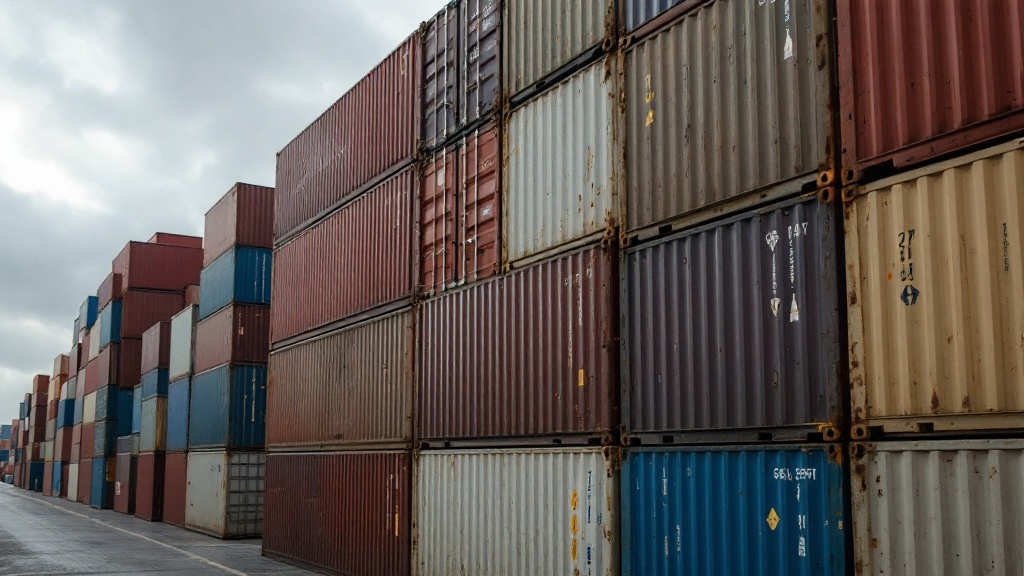
How Colombian manufacturers source fabric regionally and what that means for lead time stability
A full-package manufacturer working with regional mills doesn't just have one fabric option per category. They have relationships with several. When a specific fabric is unavailable or delayed at one mill, they can substitute at another. The brand on the other end of that relationship doesn't experience the disruption the same way a brand managing its own single-source fabric procurement does.
Lead time for fabric from a regional Colombian or South American mill to a Barranquilla factory is typically 1 to 2 weeks. Lead time for the same fabric category from an Asian supplier is 10 to 16 weeks, including mill production and sea freight. That difference isn't academic. It's the difference between being able to run a reorder in six weeks or having to plan it four months out. For a brand chasing a trend or responding to an unexpected sell-through, that gap is the whole game.
Brands sourcing fabric through a full-package manufacturer also effectively outsource the sourcing concentration risk to the factory. The factory typically works with multiple mills across fabric categories and can substitute on short notice when a specific fabric is unavailable. That's not a theoretical benefit. It's a structural one.
The minimum order and fabric availability realities brands need to plan around
One of the persistent problems with overseas fabric sourcing for small brands is the minimum order mismatch. A mill in Asia might require a 1,000-yard minimum. A brand running 300 units of a fitted activewear style might need 500 yards. They buy more than they need, the excess sits in a warehouse, and they've tied up cash in fabric they may never use.
Regional mills in Colombia and South America often work with lower minimums, particularly for standard fabric categories. And because a Barranquilla factory is working with these mills regularly, the factory may already have fabric in stock that covers your run without triggering a mill minimum at all. That's not always the case, but it's common enough to be worth asking about.
Small brands running 200 to 500 unit production runs typically need 300 to 800 yards of fabric per style depending on cut complexity and fabric width. Sourcing this from a local or regional mill versus an overseas supplier eliminates the minimum order mismatch problem that forces brands to overbuy and then manage dead inventory.
How to build a fabric sourcing structure that doesn't collapse when one supplier misses a shipment
The honest answer is that most small brands can't afford to maintain relationships with three mills across every fabric category. That's the luxury of brands doing real volume. But there are structural things you can do that don't require volume you don't have yet.
- Identify your two or three highest-volume fabric types, the ones that appear in multiple styles or every season. Those are your highest-risk single points of failure. Start diversification there, not everywhere at once.
- For each critical fabric, get a sample and a price quote from at least one regional source, even if you don't place an order. You want the relationship started before you need it urgently.
- If you're working with a full-package manufacturer, ask them explicitly what their backup mill is for each fabric category. A serious factory has an answer. If they don't, that's information.
- When you're budgeting a collection, build your cost of goods at the current landed cost, not the best-case historical cost. If a fabric's landed cost could reasonably increase 25 percent due to tariff or freight changes, model that scenario before you set your retail prices.
- Don't overbuy to hit a foreign mill minimum unless you have genuine plans for the excess. Dead fabric inventory is a cash trap. If the regional option requires a smaller minimum, that's a real advantage, not a consolation prize.
Fabric inspection matters here too. Arrival inspection, including 4-point inspection for defects and pre-shrink testing, is standard practice at serious cut-and-sew operations. It catches problems before cutting begins rather than after units are produced and rejected. A defective roll from any mill, regional or overseas, costs money. But if the defective roll came from an overseas single source, you're months away from a replacement. If it came from a regional mill, you can potentially have a replacement in a week.
When diversifying your apparel fabric supply chain makes financial sense and when it's premature
We should be honest about this. If you're launching your first production run of 50 to 100 units as a test, you probably don't have the bandwidth to manage multiple mill relationships. Focus on getting the product right. Single-source for now, knowingly, with eyes open.
But if you've validated the product, you're running repeat orders, and fabric of a specific type is appearing in multiple styles across multiple seasons, that's when single-source dependency starts carrying real financial weight. A disruption at that point doesn't threaten one order. It threatens your whole production calendar.
The financial case for diversification becomes clear when you calculate the cost of a single disruption against the cost of establishing a second source. If maintaining a regional mill relationship adds $0.15 per yard to your fabric cost but protects you against a $30,000 write-down on stranded inventory, that's not a hard calculation.
Nearshore manufacturing with shorter supply chains doesn't eliminate risk. But it compresses the supply chain so that each link in it is shorter, the distances are smaller, and the time to recover from a problem is measured in days rather than months. That's a different exposure profile. And for brands that have learned the hard way what single-source dependency looks like when things go wrong, it's usually a compelling one.

If you're reassessing your fabric sourcing strategy and want to understand what's available regionally for your specific product types, contact Procesarte with your fabric specs and we'll tell you exactly what we can source, at what cost, and how quickly.
Get a quote