Production basics
Why Quality Control at the Factory Level Is the Only Thing That Keeps Your Return Rate Down at Scale
How clothing manufacturers maintain consistent quality at scale determines your return rate, margin, and brand reputation. Here's what actually separates a $150 garment from a $35 one.
Understanding how clothing manufacturers maintain consistent quality at scale is one of those things most brands think they understand until they get a shipment back with a 6% defect rate and no documentation to tell them why. Quality control isn't a vibe or a value statement. It's a set of specific, measurable decisions made at specific moments in production, and when those decisions are skipped or vaguely defined, the cost lands on you, not the factory.
What 'quality' actually means in a factory versus what brands think it means
Most brands think quality means 'it looks right.' Factory-side, quality means something much more specific: does every unit in this run conform to a documented set of measurable tolerances? Those are two very different things, and the gap between them is where returns and chargebacks live.
A garment can look right in the sample room and fall apart in three months because the stitch density was never specified. It can photograph beautifully and fit inconsistently across a size run because the seam allowance tolerance was never discussed. Visual approval of a sample is not quality control. It's the starting point.
At the factory level, quality is broken into three categories: construction quality (stitching, seam integrity, hardware attachment), measurement conformance (does the finished garment match the spec sheet within tolerance), and finishing quality (thread trimming, pressing, label placement, packaging). All three have to be defined. And all three have to be checked, at multiple points, not just once at the end.
The inspection checkpoints that happen before, during, and after cutting
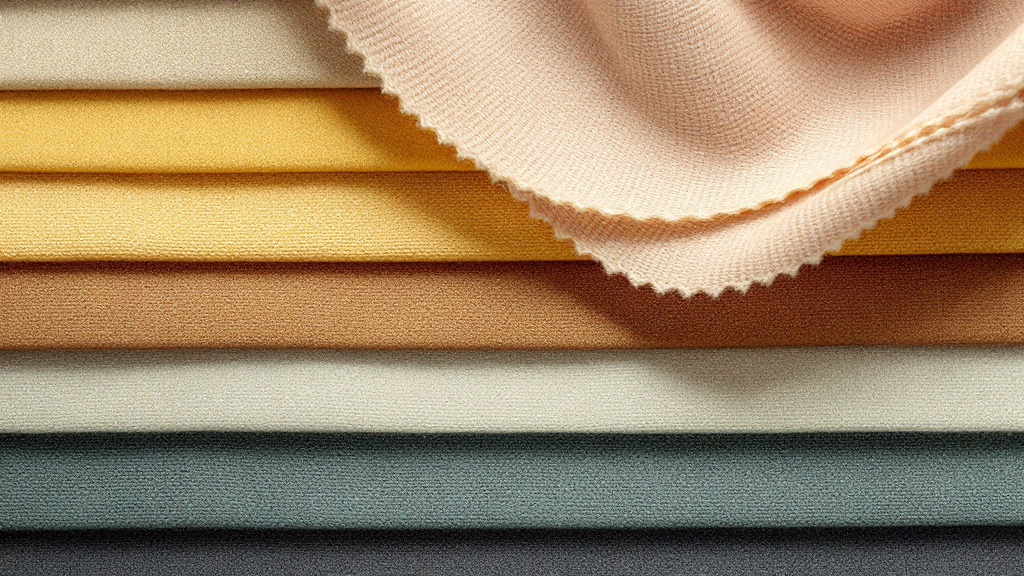
Fabric inspection before cutting is the checkpoint brands most often assume is happening and least often confirm. When a new roll of fabric arrives in the factory, it should be checked for width consistency, weight (in oz/sq yd), colour against the approved swatch, and physical defects like holes, pulls, or weave irregularities. This isn't optional if you care about consistency.
Fabric lot traceability is what makes this checkpoint useful after the fact. Every roll should be logged with a lot number, and every cut piece should be traceable back to that roll. If a colour inconsistency shows up in finished garments, lot traceability lets you isolate which units are affected. Without it, the entire run becomes suspect, and your options are very limited.
After cutting, the next checkpoint is bundle integrity. Are all the cut pieces for a given unit from the same fabric lot? Are the pieces the correct size? Are they labelled clearly enough that the sewing room won't mix them up? This sounds administrative, but mixed lots and mislabelled bundles are a consistent source of shade variation and size run errors.
At Procesarte, every production run goes through a minimum of three documented quality checkpoints: fabric inspection before cutting, inline construction checks during sewing, and a final measurement and finishing audit before packing. The documentation from each checkpoint is available to the client. That's not marketing copy, that's how you build a paper trail when something goes wrong.
Why inline quality control catches more defects than end-of-line inspection
End-of-line inspection, where a QC team checks finished garments before they're packed, is better than nothing. But it's the most expensive place to catch a defect. By the time a seam failure reaches the folding table, it's been through ten sewing operations. Reworking it means undoing and redoing multiple steps. And if the defect is structural, not cosmetic, rework may not even restore the garment to spec.
Inline quality control, where inspectors check garments at each production stage, typically reduces defect rates by 40 to 60% compared to final inspection only. The trade-off is real: it adds time per unit. But the math works in your favour almost every time. Catching a seam allowance drift at the first sewing station costs a minute of correction. Catching it after packing costs a rework cycle, potential overtime, and possibly a delayed shipment.
The specific inline checks that matter most are seam allowance verification at the first operation, stitch density spot checks mid-run, tension checks after any machine changeover, and measurement audits at the end of each size block. You don't need to check every unit at every stage. You need a statistically valid sample at each stage, and you need it documented.
The specific measurements and tolerances that determine pass or fail
This is where premium manufacturing separates from commodity manufacturing. Not in ambition, in numbers.
Seam allowance tolerance in premium apparel is typically specified at plus or minus 1/8 in. In lower-cost production, it commonly drifts to plus or minus 3/8 in. That sounds like a small difference. Across a size run, it isn't. A 3/8 in drift on a side seam affects garment width, hip circumference, and chest measurement. On a fitted blouse or a structured trouser, that's the difference between a garment that fits and one that gets returned.
Finished garment measurement audits are the standard practice in factories supplying major U.S. retailers: a random sample of 10 to 15% of units per size per colour, measured against the spec sheet, with tolerances documented. Most small brands never ask for this. They receive it only if they specify it in the purchase order. If your tech pack doesn't mention measurement audit documentation, you're probably not getting it.
- Chest, waist, and hip measurements: tolerance typically plus or minus 1/2 in for mid-market, plus or minus 1/4 in for premium
- Sleeve length: plus or minus 3/8 in is common; premium specs push this to plus or minus 1/4 in
- Hem allowance: should be specified in fractions of an inch and checked against a physical gauge, not by eye
- Label placement: measured from the centre back neck seam or another fixed reference point, not approximated
Industry standard AQL for most U.S. boutique and mid-market apparel is 2.5. That means roughly 2.5 defective units per 100 are tolerated before a shipment is flagged for rejection. A surprising number of brands have never heard this number, and fewer still specify it to their factory. If you don't specify your AQL, the factory applies its own standard, and those don't always align with yours.
What thread tension, stitch density, and seam allowance actually do to consistency at scale
These three variables are responsible for more return-causing defects than almost anything else in garment construction, and they're all controllable if you specify them and check them.
Stitch density below 8 stitches per inch on a main seam creates measurable seam slippage risk. Premium brands typically specify 10 to 12 stitches per inch for woven garments and 12 to 14 for knits under stretch. Higher stitch density increases thread consumption slightly and reduces sewing speed marginally, but it also increases seam strength significantly. A $150 garment that fails at a seam in the first month destroys the price-quality relationship you've built.
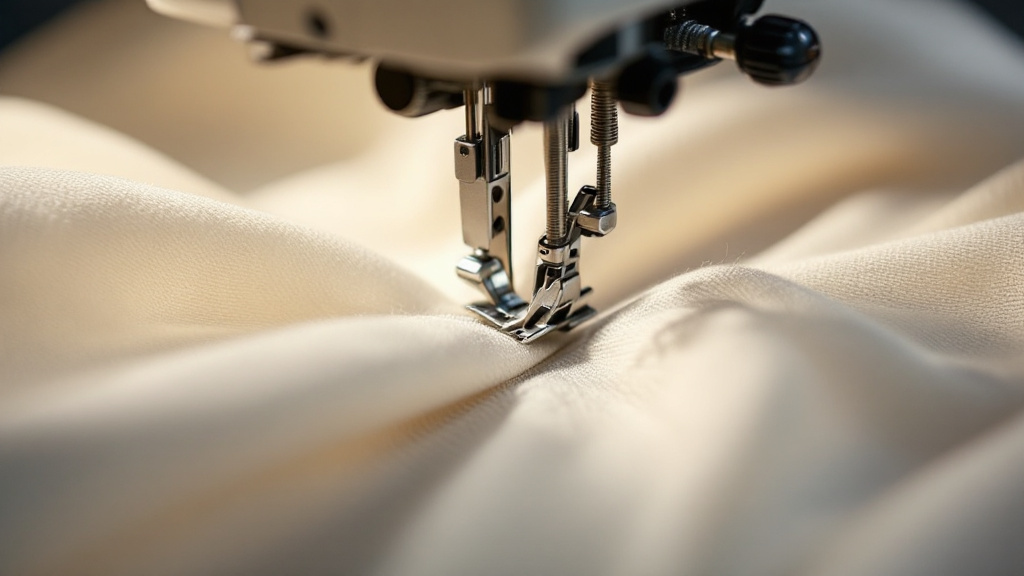
Thread tension inconsistency is one of the most common causes of puckered seams and seam failure. It's caused by machine calibration drift and it's almost entirely preventable through scheduled maintenance checks. The problem is that many factories skip these checks under production pressure. A sewing machine running slightly tight tension on the bobbin will produce seams that look fine off the machine and pucker badly after the first wash. By then, the garment is in your customer's hands.
Seam allowance, as mentioned above, isn't just about aesthetics. It affects how much fabric is engaged in the seam, which affects its structural integrity. A seam sewn with too little allowance, because the operator drifted from the guide, can have adequate stitch density but still fail under stress because there isn't enough fabric in the seam to hold.
Why quality consistency breaks down as order volumes increase, and what prevents it
This is a real and honest problem. At 50 units, one senior operator can touch every piece. At 5,000 units, you have multiple operators, multiple machines, machine maintenance happening mid-run, shift changes, fabric lot transitions, and pressure to hit a delivery date. Every one of those variables is an opportunity for consistency to slip.
Factories that maintain quality at volume do it through documented process standardisation, not individual operator skill. Every operator has a work ticket that specifies their exact operation: the stitch type, the stitch density, the seam allowance, and the machine setting. QC checks at each station catch drift before it compounds. Fabric lot changes are logged and the first units from a new lot are held for approval before the run continues.
The brand side of this equation is simpler than most people think: write it down. Brands that provide a detailed quality specification document alongside their tech pack consistently see lower defect rates and fewer revision cycles than brands that rely on verbal instructions or reference samples alone. A reference sample tells a factory what you want the result to look like. A quality spec document tells them how to make it consistently 5,000 times.
How brands should be writing quality requirements into their purchase orders and tech packs
Most tech packs cover construction: seam types, stitch types, trim specifications, measurement points. Fewer include a quality standard section. That's the gap, and it's where most preventable defects originate.
A quality standard section in a tech pack or accompanying QC document should include, at minimum:
- Your AQL level (2.5 for most mid-market brands, 1.5 for premium or high-touch products)
- Stitch density requirements by seam type, specified in stitches per inch
- Seam allowance tolerances, in fractions of an inch, for each seam category
- Finished measurement tolerances per size, in fractions of an inch, for each measurement point
- Fabric inspection requirements, including lot traceability expectations
- Required documentation: what QC reports you expect to receive and at what stage
- Defect classification: what constitutes a critical defect (reject), a major defect (counts toward AQL), and a minor defect (noted but accepted)
That last point matters more than brands realise. A loose thread is a minor defect. A broken seam is a critical defect. If you haven't defined these categories in writing, a factory's judgment about what's acceptable may not match yours, and that disagreement will surface at the worst possible moment.
Your purchase order should reference the quality spec document by name and version number. It should state your AQL explicitly. And it should specify what happens if the inspection fails. These aren't adversarial terms. They're the shared language that makes a production relationship work.
What a realistic defect rate looks like for different product categories, and what to do when you exceed it
Under a 2.5 AQL on a 500-unit order, you're tolerating up to 13 defective units before rejection is triggered. That sounds workable. A 4 to 5% defect rate on that same order means 20 to 25 defective units. At a $60 wholesale price, that's $1,200 to $1,500 in direct margin loss before you count rework labour or customer service costs from returns. And this is a mid-size boutique order, not a mass retail run.
Defect rate expectations vary by product category. Knitwear with print detail runs higher defect risk than a basic solid-colour woven, simply because there are more variables. Structured outerwear with hardware runs higher risk than a jersey T-shirt. Here's a rough honest range for factories doing solid work:
- Basic jersey knit (T-shirts, tanks): 0.8 to 1.5% with inline QC
- Woven bottoms (trousers, shorts): 1.0 to 2.0%
- Woven tops with multiple components (shirts, blouses): 1.5 to 2.5%
- Structured outerwear or technical garments: 2.0 to 3.5%
- Screen-printed or sublimated garments with registration requirements: add 0.5 to 1.0% on top of base construction rate
When you exceed your AQL on an incoming shipment, you have four options: full rework at factory cost if the defects are factory-caused and documented, rework at shared cost if the spec was ambiguous, accept the shipment with a price adjustment negotiated against the defect percentage, or reject the shipment and demand a replacement run. Which of these is available to you depends entirely on what your purchase order says. If it says nothing about AQL or defect liability, your leverage is thin.
The brands that keep their return rates low at scale aren't necessarily working with the best factories in the world. They're working with factories they've built a documented relationship with, where quality expectations are written down, checked at multiple points, and tracked over time. That's it. It's not complicated. But it does require doing the paperwork before the run starts, not after the shipment lands.
If you're ready to put specific quality tolerances, AQL levels, and inspection checkpoints into your next production run, send Procesarte your tech pack and we'll walk you through exactly how we'd structure the QC process for your product.
Get a quote