Production basics
Why Colour Fastness Testing Before Production Is Not Optional If You Sell Premium Apparel
Colour fastness testing before production is the step that prevents rejected shipments and brand damage. Here's what every premium brand needs to require.
Colour fastness testing in garment production is one of those topics that sounds technical until you get a chargeback. Then it sounds very expensive. We've seen brands lose 10 to 15 percent of an order's value because a fabric that looked perfect in the showroom bled onto a white bra, or faded after four washes, or turned a customer's skin pink. None of those failures are mysterious. They're all predictable, and they're all preventable if you build the right steps into your production timeline before a yard of fabric gets cut.
What colour fastness actually means at the production level
Colour fastness is a fabric's ability to hold its dye under real-world conditions: washing, sunlight, sweat, rubbing, chlorine, salt water. It's not a single property. It's a collection of performance characteristics that vary depending on the dye type, the fibre, the dyeing process, and how the garment will be used.
At the production level, fastness is measured numerically using grey scales or blue wool scales depending on the test. A grade of 1 means severe colour change or transfer. A grade of 5 means no change at all. Most premium retail applications require a minimum of 4 out of 5. If your supplier says the fabric is 'good quality' without a test result attached to that claim, that's not a specification. That's a hope.
The failure modes matter too. Fading is when the dyed fabric loses colour over time. Bleeding is when dye transfers to adjacent fabrics in the wash. Crocking is when dye rubs off onto skin or other surfaces when the fabric is dry or wet. Each failure mode is tested differently, requires a different minimum grade, and has different consequences for your customer.
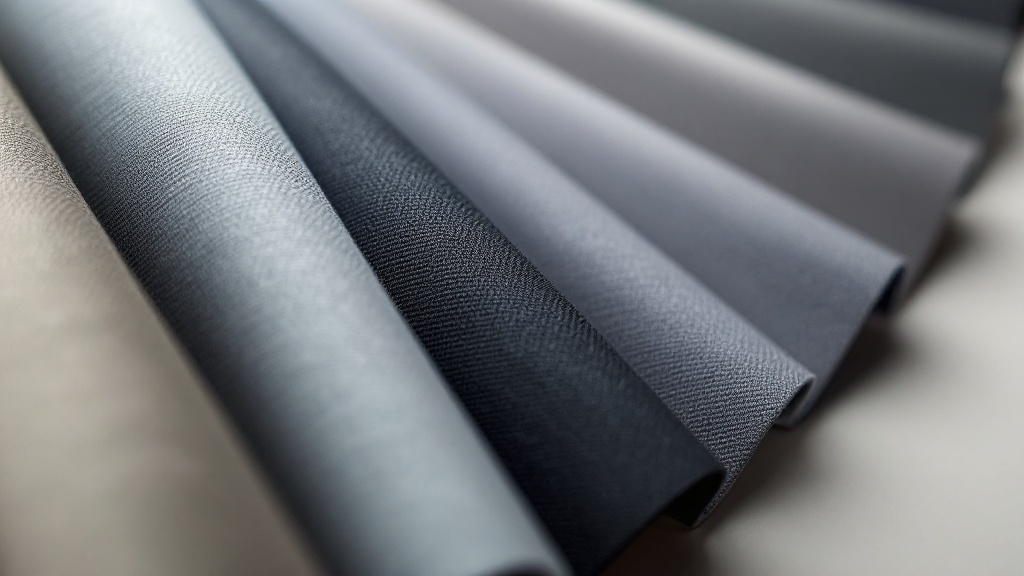
The most common reasons colours fade or bleed and when they show up
Most fastness failures don't happen because a factory used cheap dyes. They happen because a dyeing process was rushed or poorly controlled. The fixation stage, the point at which dye bonds chemically to the fibre, is where shortcuts do the most damage.
Reactive dyes on cotton need precise pH control and enough time to fully bond to the fibre. If the pH drifts, or if the fixation cycle is shortened to save time, the dye sits loosely on the surface. It looks correct when the fabric rolls off the line. It starts coming out in the customer's first wash. That's a 3 to 6 week delay between production and complaint, long enough that some factories never connect the dots.
Polyester has its own version of this problem. When polyester is dyed with disperse dyes in a high-pressure system, the dyeing temperature needs to reach at least 385°F to open the fibre enough for the dye to penetrate fully. Drop below that and you get surface dye. It looks saturated coming out of the machine. Three to five laundry cycles later, it looks like a sample that's been washed thirty times. And you can't detect this failure visually in the factory. Only a lab test will catch it.
Which fabrics and dye types carry the highest risk of dye failure
Not all fabrics behave the same way, and not all failures are equally likely. Here's where you need to focus your attention.
- Cotton dyed with direct dyes: lower wash fastness than reactive dyes, more prone to bleeding. Fine for interior linings or lower-cost products, but not suitable for premium retail without testing.
- Cotton dyed with reactive dyes: better wash fastness when processed correctly, but fixation shortcuts are common and the failure is invisible until it washes out.
- Polyester with disperse dyes: excellent fastness when dyed at correct temperature and pressure. Severely compromised when shortcuts are taken. Surface dye is the main risk.
- Nylon: notoriously difficult to dye with consistent fastness. More susceptible to light fading and crocking than polyester or cotton.
- Rayon and viscose: absorb dye easily but release it easily too. Bleed risk in the wash is higher than most woven synthetics.
- Dark saturated colours (navy, black, red, burgundy): always require more scrutiny than pastels or mid-tones. The higher the dye concentration, the higher the crocking and bleeding risk.
The specific tests that matter: ISO 105 and AATCC standards explained plainly
There are dozens of fastness tests. Most brands don't need all of them. What you need depends on your fabric, your end use, and which retailers you're selling into. Here are the ones that come up most often in premium apparel production.
AATCC Test Method 61: wash fastness
This is the standard accelerated wash test for predicting colourfastness to laundering. A single lab cycle simulates multiple home washes by running the specimen in a controlled bath with steel balls that simulate mechanical agitation. Results are rated on the 1-5 grey scale for both colour change and staining. For premium retail, the minimum acceptable grade is 4. Below a 4, most major U.S. retailers will reject the shipment or issue a chargeback.
AATCC Test Method 8: crocking
Crocking is dye rubbing off onto skin, white fabric, or other surfaces. It's tested by rubbing a standard white cloth against the test specimen under a defined load, both dry and wet. Wet crocking is almost always worse than dry. The minimum grade for most U.S. retailers is 3 on the grey scale. Major department stores typically require a 4. If you're making dark-coloured activewear or anything worn close to the skin, this test is non-negotiable.
ISO 105-B02: light fastness
This test exposes fabric to an artificial light source calibrated to simulate sunlight and rates fading against a blue wool scale from 1 to 8 (higher is better). A rating below 4 is considered unacceptable for outdoor applications, swimwear, or anything that spends significant time in UV exposure. If you're selling into resort, beach club, or outdoor markets and you haven't run this test, you're taking a risk that will show up at the end of a customer's first summer.
AATCC 162: chlorine resistance for swimwear
This one is specifically overlooked and it's a direct product failure waiting to happen. AATCC 162 simulates pool water exposure and is the relevant standard for any swimwear or activewear that will be used in chlorinated water. Fabrics that fail this test can lose significant colour depth after as few as 10 pool sessions. If you're selling to resort hotels, beach clubs, or swim schools, a chlorine resistance test isn't optional. It's the whole point.
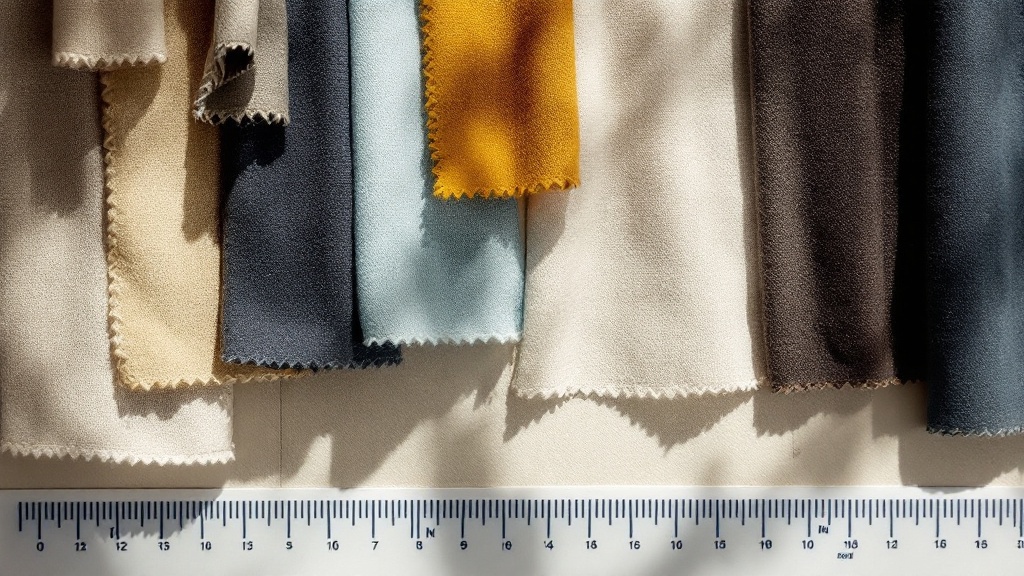
What passing grades actually look like and what brands should be requiring
Let's be specific about minimums, because 'good fastness' means nothing without a number attached to it.
- Wash fastness (AATCC 61): minimum grade 4/5 for colour change and staining. Premium and department store retail often requires 4.5.
- Crocking dry (AATCC 8): minimum grade 3/5 for most U.S. retailers, 4/5 for major department stores.
- Crocking wet (AATCC 8): minimum grade 3/5. Dark colours should be tested separately and flagged if they fall below 3.5.
- Light fastness (ISO 105-B02): minimum grade 4/8 for general apparel, 5/8 or above for outdoor and swimwear.
- Chlorine resistance (AATCC 162): required for all swimwear. No standard grade range here, pass/fail is determined by the degree of colour change after a defined number of exposure cycles.
When you're writing these into your tech pack, don't just list the test name. Specify the test method number, the number of wash cycles simulated, the grade required, and whether results need to come from an independent third-party lab or whether factory self-testing is acceptable. For premium retail, third-party testing from a lab like Intertek, SGS, or Bureau Veritas is the standard.
Where most factories cut corners and why it costs you later
The most common points of failure aren't hard to find. They're the same ones, in the same places, order after order.
First is fixation time. Reactive dyes on cotton need adequate fixation time to fully bond to the fibre. Cut the cycle short, save an hour, and you've got a garment that looks perfect and washes terribly. Second is temperature control on polyester dyeing. Going below 385°F in a high-pressure dye bath produces surface dye. It's invisible in the factory and visible after a handful of washes. Third is skipping pre-production lab dip approval.
A lab dip is a small dyed sample produced before full fabric production begins. You approve the colour and the factory proceeds. This single step catches colour inconsistency and flags fastness issues before you're committed to a full fabric run. It adds 5 to 10 days to the pre-production timeline. Under schedule pressure, it's the first thing that gets skipped. It's also the most expensive thing to skip when it goes wrong.
A rejected shipment due to fastness failure at the retail compliance stage costs between 8 and 15 percent of total order value in return freight, re-testing fees, and chargeback penalties. And that's before you account for the margin on units you can't sell. For a 500-unit order at a $60 cost of goods, that's potentially $4,500 to $8,000 in direct losses on top of the inventory problem. The lab dip approval costs a few days and a small dyed sample. The maths are not complicated.
How to write colour fastness requirements into your tech pack and purchase order
Most brands put colour requirements in their tech pack as a Pantone reference and call it done. That's colour matching, not fastness. They're different specifications and they need to be listed separately.
In your tech pack, include a dedicated testing requirements section. List every applicable test by method number, the minimum grade required, and whether third-party lab results are required or factory self-certification is acceptable. For premium retail clients, always require third-party results.
In your purchase order, add a compliance clause that makes fastness test results a condition of shipment approval. Specify that the factory must submit test reports before you authorise the balance payment or release the shipment. If the factory won't agree to this clause, that tells you something.
- List all required test methods by number (AATCC 61, AATCC 8, ISO 105-B02, AATCC 162 if applicable).
- Specify the minimum grade required for each test and each condition (dry crocking, wet crocking, colour change, staining).
- State whether results must come from an accredited third-party lab or whether factory self-testing is acceptable.
- Require test reports to be submitted and approved before fabric goes into production, not after.
- Add a PO clause making fastness compliance a condition of shipment approval and payment release.
- Require lab dip approval sign-off in writing before full fabric dyeing begins.
What nearshore production timelines mean for your ability to catch this before it ships
Here's the practical argument for nearshore manufacturing that doesn't get talked about enough. When your total lead time is 14 to 16 weeks, schedule pressure is enormous. Every week of testing, every round of lab dip approvals, every retest feels like a week you can't afford. So steps get skipped. Not because brands don't care about quality. Because the calendar doesn't leave room.
When your total lead time is 4 to 6 weeks, the pressure is different. You can build in 5 to 10 days for lab dip approval. You can run the wash fastness panel before cutting. You can request a retest if something doesn't pass. You've still got time. Brands sourcing from Colombia under the Colombia-U.S. Trade Promotion Agreement can run the full testing sequence, including pre-production lab dip approval and third-party fastness testing, and still land within a 4 to 6 week total lead time. That's not a claim about speed. It's a claim about what becomes possible when you're not rationing days.
Add to that the duty-free entry under the trade agreement, same time zone communication, and samples in 7 to 14 days, and the argument for building a proper testing protocol into your production process stops being theoretical. You've got the time, the proximity, and the commercial conditions to do this right. The only question is whether you put the requirements in writing before the first yard of fabric goes into a dye bath.

If you're ready to build a proper colour fastness testing protocol into your next production run, contact Procesarte to talk through your fabric specs, dye types, and testing requirements before we cut a single yard.
Get a quote