Strategy
What Retail Buyers Are Actually Checking When You Send Them Samples
How retail buyers evaluate new apparel vendors — and what actually gets you a PO versus a polite pass. A factory-side breakdown.
Understanding how retail buyers evaluate new apparel vendors is one of the most useful things a brand founder or production manager can spend time on. Most vendors show up to this process underprepared, not because they make bad product, but because they don't know what's actually being assessed. It's not just the sample. It's everything around the sample.
What a retail buyer is actually trying to figure out in the first 10 minutes
A buyer at a boutique chain or specialty retailer is typically evaluating 3 to 6 competing vendors per category per season. They're making decisions within 2 to 3 weeks of receiving samples. That's not a lot of time, and they know it, so they've developed fast filters.
In the first pass, they're asking: can this vendor actually deliver what I need, when I need it, without creating problems for my team? Quality matters, but so does reliability, compliance readiness, and communication. Miss on any of those and the product quality becomes irrelevant.
Buyers at specialty retail chains often score vendors on a formal rubric covering product quality, pricing competitiveness, lead time reliability, communication responsiveness, and compliance readiness. Any single category below their threshold is grounds for disqualification, full stop. It's not a weighted average where one category saves you. It's a series of minimum bars.
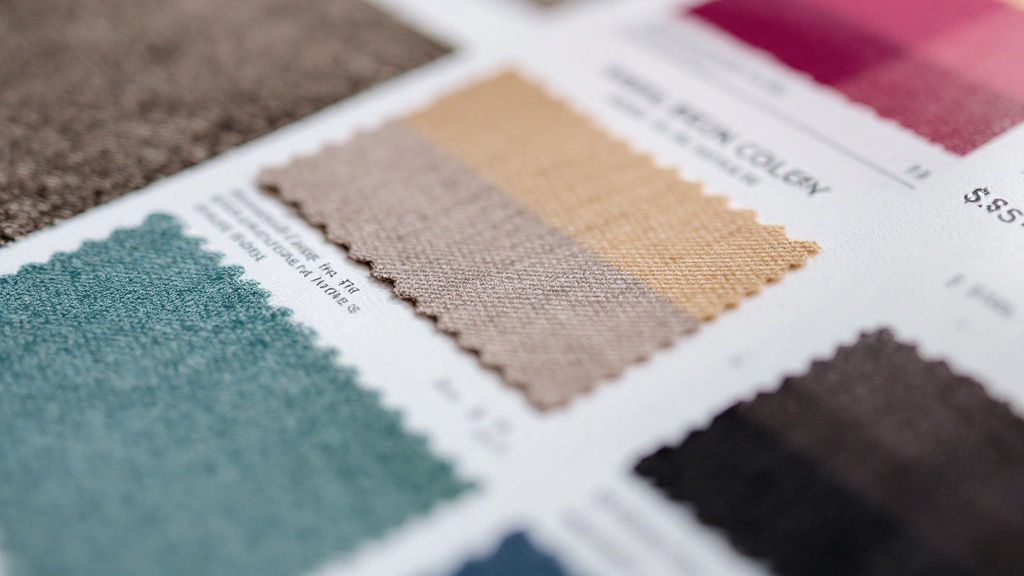
The sample package: what goes in it and what gets you binned immediately
A finished garment sample on its own is not a sample package. Sending just the garment tells the buyer you've never done this before.
A complete submission includes a finished garment sample, a tech pack or spec sheet, a fabric content and care label compliant with FTC requirements, country of origin documentation, and a landed cost breakdown. If any of those are missing, the buyer has to chase you for them. Most won't bother.
- Finished garment sample, true to the production spec
- Tech pack or detailed spec sheet with measurements at all sizes
- Fabric content and care label meeting FTC labelling rules
- Country of origin documentation (certificate of origin or equivalent)
- Landed cost breakdown including freight, duties, and any applicable tariff notes
The most common reason a strong sample gets binned? The spec sheet doesn't match the garment. Buyers check measurements against the sheet. If the chest on your sample reads two centimetres off from what's listed, they're already questioning whether your production floor reads specs accurately.
Compliance documentation and why missing one certificate kills the deal
Most mid-tier U.S. retailers require a signed vendor compliance manual before any purchase order is issued. This isn't bureaucratic formality. Non-compliance chargebacks can run 2 to 5% of the invoice value per violation. For a retailer moving volume, that's real money, and they're not absorbing it.
Buyers now ask for production transparency documentation as a baseline, not a bonus. Factory name, address, and current audit status are expected. If you can't provide them, or if you're vague about where the product is actually made, you're raising a red flag that no sample quality will erase.
For product categories that touch skin or are sold to children, expect requests for material safety testing documentation as well. Not having it doesn't mean you can't get it. But showing up without it means the deal is paused at best.
How buyers read your pricing sheet and what margin math they're running
Buyers work backwards from their retail price. They have a target margin, usually somewhere in the 50 to 60% range for specialty retail, and they're checking whether your FOB or landed cost number makes that margin possible. If it doesn't, the conversation ends there.
Here's where duty-free matters in a very concrete way. Under the Colombia-U.S. Trade Promotion Agreement, qualifying garments manufactured in Colombia enter the U.S. duty-free. Standard tariff rates on apparel typically run 12 to 32% depending on the category. That's not a small number. When a buyer runs the landed cost calculation, duty-free production from Colombia can shift a pricing sheet from marginal to workable without either party moving on the FOB price.
Lead time commitments and why vague answers disqualify you before the meeting ends
"It depends" is not a lead time. Buyers are planning deliveries to their stores and they need a number. If you can't give them one, they can't plan, and they'll move to a vendor who can.
Late delivery chargebacks at major U.S. department stores can reach 1 to 2% of the PO value per day late. Buyers know this because they're the ones issuing the chargebacks. They weight delivery reliability heavily, and they're listening for confidence and specificity when you talk about your timelines, not optimism.
A 4 to 6 week production lead time means a brand can present to a buyer in one season and realistically deliver within that same season. That's a structural advantage. A 12 to 16 week production timeline means you're presenting for the next season at best, and any sample revision request likely pushes you past the review window entirely.
Communication speed as a scoring criterion, not a soft skill
This one surprises brands, but it shouldn't. Buyers score communication responsiveness as part of the vendor evaluation, and they're paying attention from the first email. If you take 48 hours to respond during the evaluation phase, they're extrapolating what production will look like when there's an actual problem.
Time zone alignment is underrated here. Being in the same time zone as New York, Miami, or Los Angeles means a buyer can send a question in the morning and get an answer before end of day. That's not a minor convenience. It's a meaningful operational advantage when something goes wrong mid-production and decisions need to happen fast.
What a factory audit or vendor questionnaire actually covers
Vendor questionnaires vary by retailer, but most cover the same categories: production capacity and minimums, quality control processes, subcontracting policies, labour practices, environmental compliance, and financial stability. Some retailers also ask for trade references and will call them.
That last point matters more than vendors expect. Buyers frequently call other brands a vendor has produced for, and the quality of that conversation carries more weight than any written document you submit. If your references give a lukewarm answer or hedge on delivery reliability, it's noticed.
If you're working with a factory that has existing audit certifications, those documents can significantly shorten the vendor approval timeline. It's not about the certificate itself. It's about demonstrating that the production infrastructure has already been evaluated by a third party.
How nearshore production changes the vendor evaluation conversation in your favour
Sample lead times of 7 to 14 days change the dynamic completely. If a buyer sends a revision request, a nearshore supplier can resubmit within the same evaluation window. A 6 to 8 week sample lead time typically means missing the review cycle entirely and starting over next season.
The combination of duty-free status, short lead times, and real-time communication responsiveness addresses three of the five scoring criteria buyers use, before you've even talked about the product. That's a strong opening position.
The vendor evaluation process rewards preparation more than product, at least in the early rounds. You can have the best garment in the category and still not get the PO if your documentation is incomplete, your pricing sheet is sloppy, or your references are thin. Get those things right and the sample does the rest of the work.
If you're preparing for a retail buyer evaluation and want to know exactly what your sample package and documentation should look like, contact Procesarte and we'll walk through it with you before you send anything.
Get a quote